How do Health & Fitness apps frame free trials on their paywalls?
Health & Fitness paywalls are the most trial-led and least price-in-button of the big verticals: 38.5% of 340 primary CTAs mention a free trial, while only 3.8% put a price in the button [1][2]. On length, 7-day dominates decisively — 25 mentions vs 8 for 30-day, 4 for 14-day, and just 2 for 3-day [3]. This is a 'free week, price hidden above the button' category.
38.5% of 340 Health & Fitness primary CTAs are trial-led, but only 3.8% embed a price — July 2026.
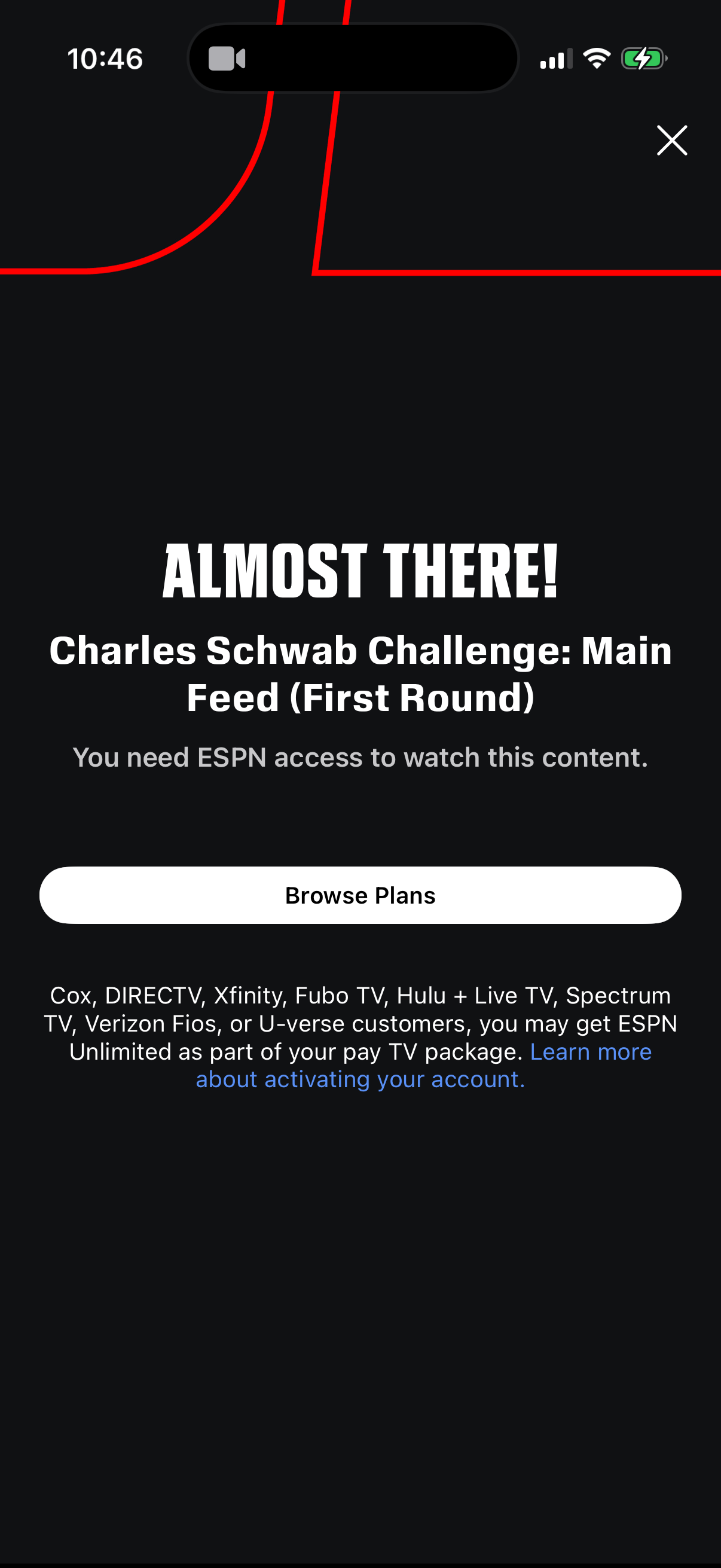
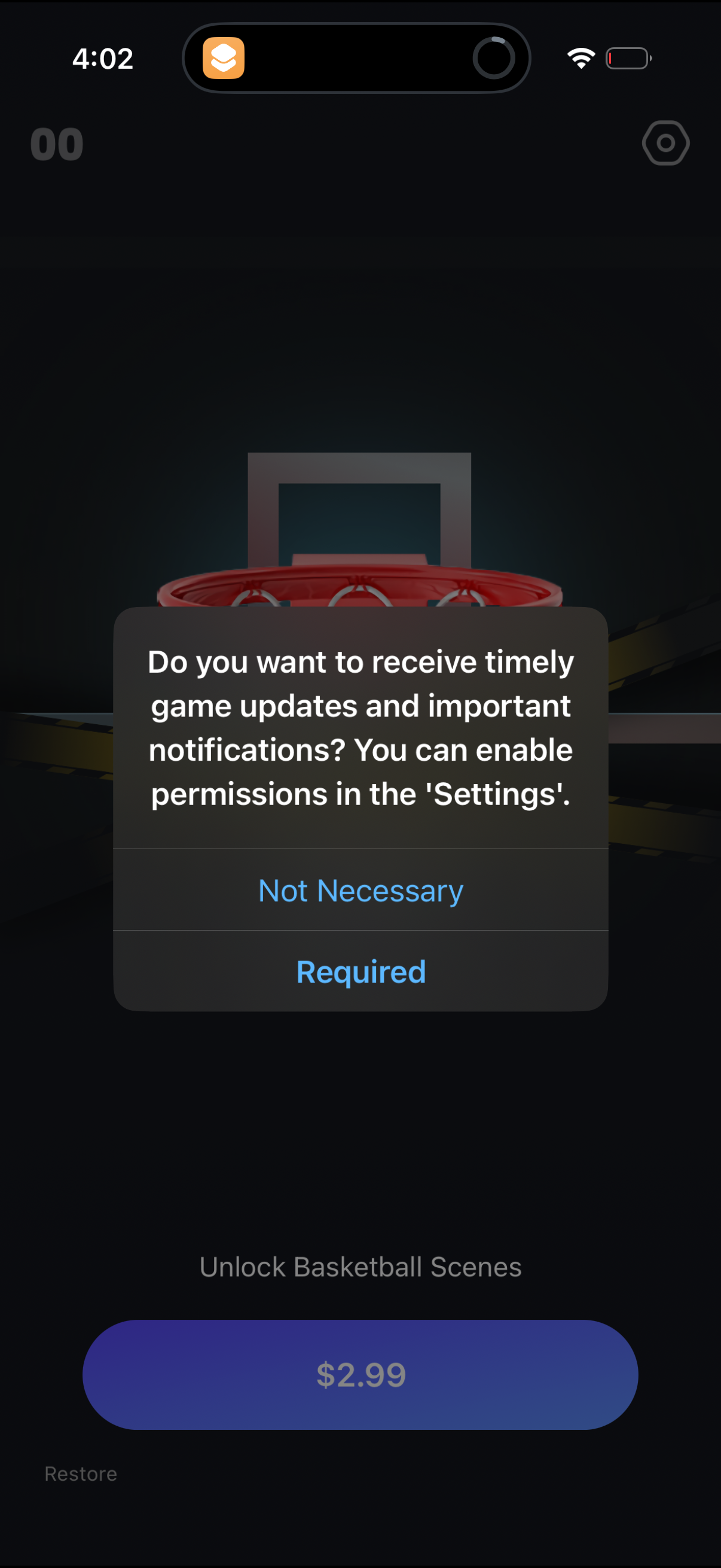
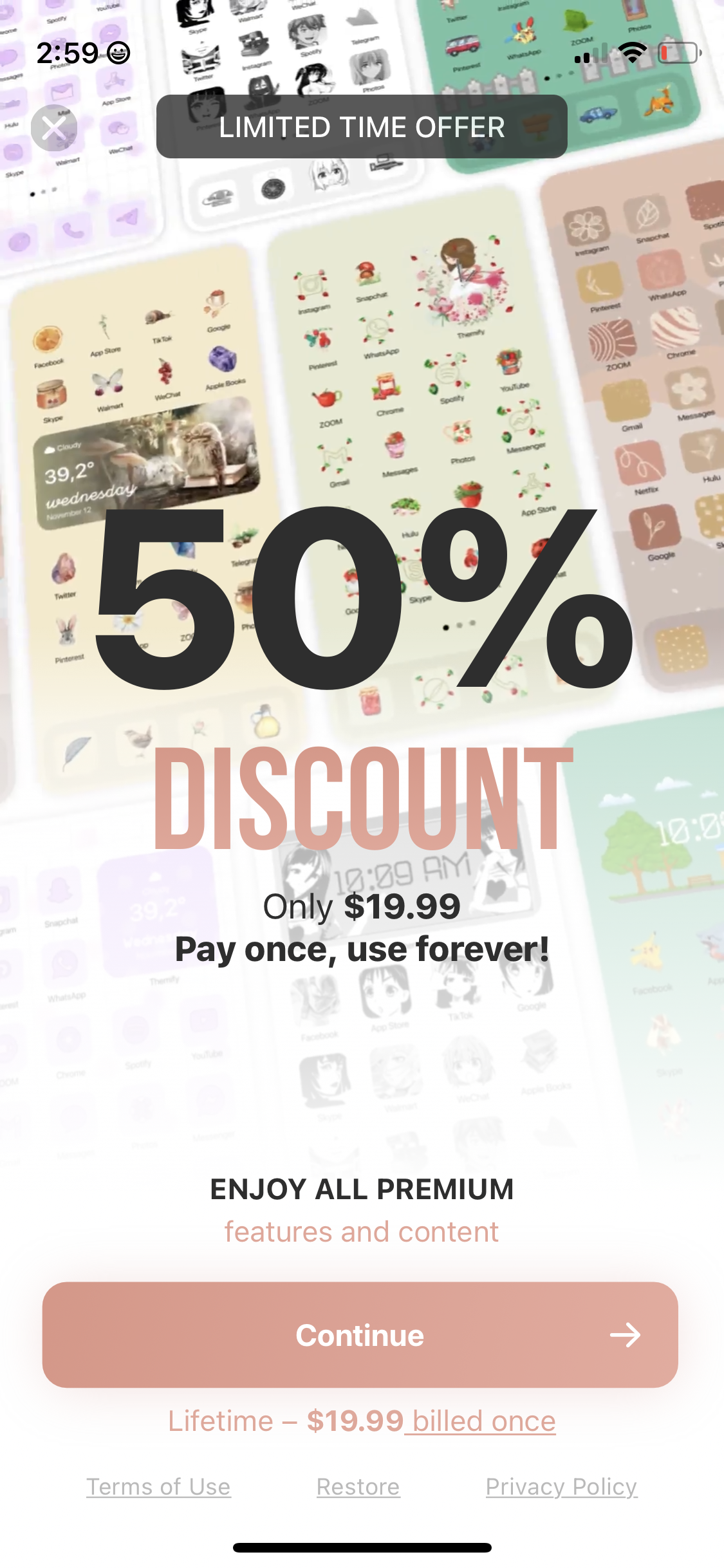
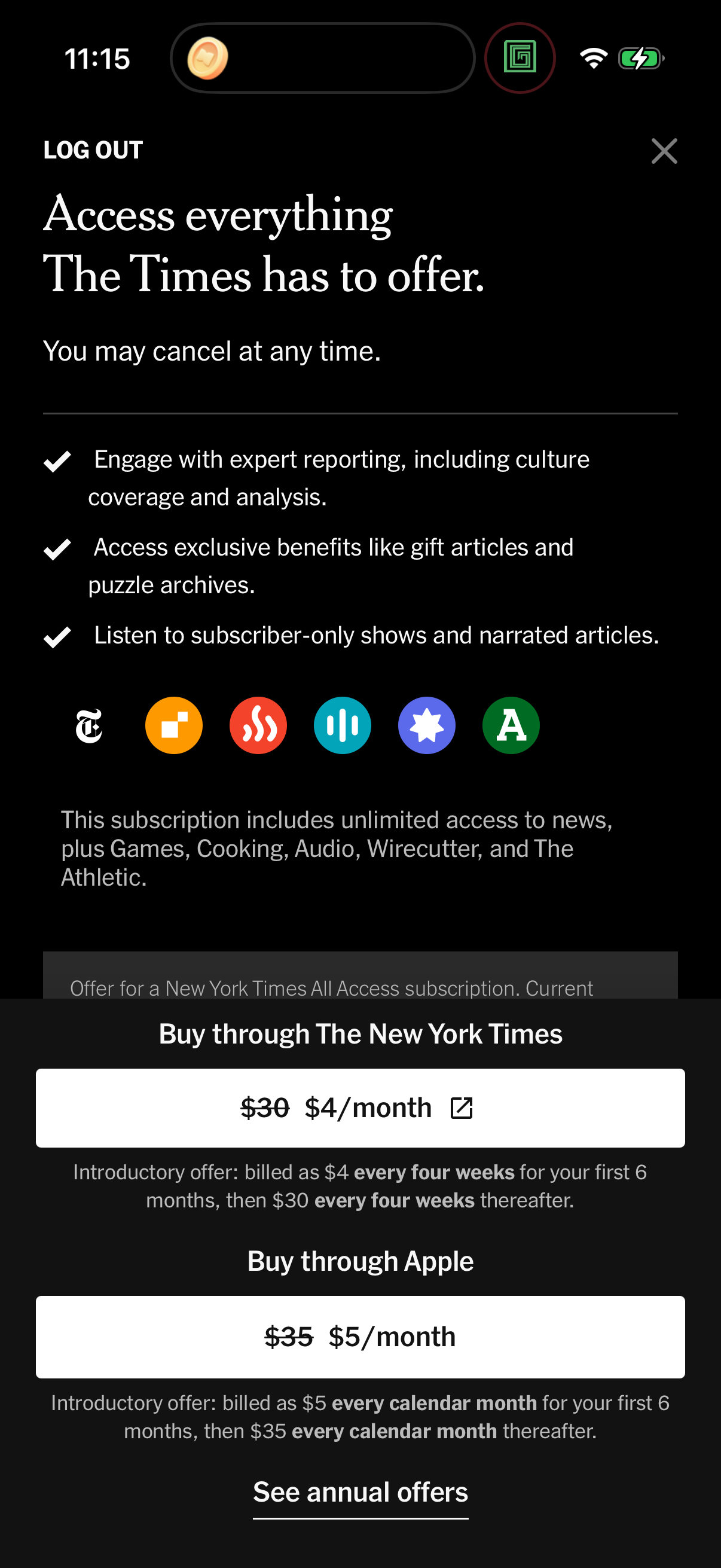
Most paywalls (70%) are direct with no price in the button; putting a price in the button is the exception in every quadrant. Source: Lazyweb Research, 630 paywalls.
| Quadrant | Contents |
|---|---|
| Trial-led / No price in button | Trial-led · no price — 108 (17%) |
| Trial-led / Price in button | Trial-led + price — 20 (3%) |
| Direct (no trial) / No price in button | Direct · no price — 443 (70%) |
| Direct (no trial) / Price in button | Direct + price — 59 (9%) |
| Item | Health & Fitness |
|---|---|
| Trial-led primary CTAs | 38.5% (131) |
| Price inside the button | 3.8% (13) |
| 7-day mentions | 25 |
| 30-day mentions | 8 |
| 14-day mentions | 4 |
| 3-day mentions | 2 |
The finding: trial-forward, price-shy, 7-day default
Across 340 Health & Fitness primary CTAs (36 companies) [1]:
| Metric | Health & Fitness | All-app baseline |
|---|---|---|
| Trial-led primary CTAs | 38.5% (131) | 33.7% [4] |
| Price inside the button | 3.8% (13) | 11.6% [5] |
| 7-day mentions | 25 | — [3] |
| 30-day mentions | 8 | — [3] |
| 14-day mentions | 4 | — [3] |
| 3-day mentions | 2 | — [3] |
The category runs well above baseline on trial-led framing and well below on price-in-button — the sharpest 'lead with free, keep price off the button' profile of the named verticals [1][2].
Why 7-day and hidden price
Fitness and wellness value often takes a few sessions to land — a week is enough to build a habit signal, which is why 7-day is the runaway default (25 mentions, dwarfing 3-day's 2) [3]. And at only 3.8% price-in-button, these apps almost never anchor on cost at the CTA; the price sits in the surrounding copy while the button stays soft ("Continue" / "Start") [2]. The combination reduces sticker friction at the moment of tap.
How to apply this
For a health/fitness paywall, the on-norm pattern is: a 7-day free trial, a soft CTA verb, and the price placed above the button rather than inside it [2][3]. If you're currently running a 3-day trial here, you're an outlier — only 2 mentions in the corpus — so treat it as a deliberate urgency bet, not the category default [3]. Keeping the price out of the button matches 96% of the category and lowers tap-time friction, but pair it with a clear trial-then-price line so the auto-renewal isn't a surprise [2]. Add 'cancel anytime' if lock-in fear is your main objection (see the reassurance pages).
Caveats
n=340 CTAs / 36 companies clears the n≥70 bar for the headline percentages; the per-length cells (25/8/4/2) are absolute counts and 30-day includes money-back copy [3][6]. Category is a company-level join. Trial-led is a button-text keyword match; length reads CTA plus adjacent copy only; all figures use primary-role CTAs (39% unknown-role excluded) [7].
The numbers
| Stat | Computed from |
|---|---|
| Health & Fitness trial-led 38.5% (131/340), 36 companies | trial_led_by_category_health_fitness: 131/340, 36 companies |
| Health & Fitness price-in-CTA 3.8% (13/340) | trial_led_by_category_health_fitness price-in-CTA 13/340=3.8% |
| H&F lengths: 7-day 25, 30-day 8, 14-day 4, 3-day 2 | trial_led_by_category_health_fitness: 7-day 25, 3-day 2, 14-day 4, 30-day 8 |
| All-app trial-led baseline 33.7% | trial_led_primary_share: 33.7% |
| All-app price-in-CTA baseline 11.6% | price_in_cta_share: 11.6% |
| n=340 clears n>=70 per-vertical bar; 30-day includes money-back | methodologyNotes + smallSampleWarnings 30-day upper bound |
| 39% CTA rows role='unknown', excluded | universe note |
Sources & citations
- [1] Lazyweb Research analysis of 340 Health & Fitness primary paywall CTAs (~800 tracked apps), July 2026. Category join on lower(company_name); trial-led keyword + per-length regex over CTA + adjacent copy. ↩
- [2] Lazyweb Research analysis of 1,886 primary paywall CTAs (~800 tracked apps), July 2026. All-app baselines for trial-led (33.7%) and price-in-CTA (11.6%). ↩
Source: Lazyweb Research — proprietary analysis of real, in-market app screens. Cite as Lazyweb Research, 2026-07-07.
Related questions
More in Free-trial framing and reassurance copy on paywalls →